The Earth is
changing, and biomes are suffering because of it. Climate change and human
activities are working together to destroy and put the desert biome at risk.
Although deserts are dry, arid and almost lifeless, they are still an important
biome in the world and are no less important or fragile than any other thriving
biome.
 Desertification
Desertification is the degradation of land in any dry land and when land once covered in vegetation turns to desert. The land becomes unusable and unsustainable. It isn’t caused by one specific factor, but climate change and many human activities combined. Deforestation, clearing land for agriculture and planting single crops in unsustainable areas are known factors of desertification. The Sahal in Africa has been badly affected by desertification
Desertification in Africa
Off-Roading
This is when
people drive their vehicles all over the desert (for recreational reasons),
which causes huge damage. The vehicle tracks destroy and erode the soil, kill off
vegetation and disturb the flow of the water and nutrients, which are crucial
to the survival of living organisms. Having vehicles on the desert also
increases the chances of road kill. The hot, dry climate means that most plants take a long
time to grow, so having rich, fertile soil is important. The saguaro cactus for
example can take two centuries to reach its full size. Once vegetation is
destroyed, the animals are hugely affected. Their diet then becomes limited and
survival is a struggle. The desert is already a difficult place to survive, so
when soils a destroyed, the outcomes are massive and more and more animal species
are becoming endangered. For example in the California Desert Conservation Area, of the 24
species listed, almost all of them are endangered or threatened due to off road
vehicles. These species include the desert tortoise, bighorn sheep, desert
pupfish, Inyo California towhee, and arroyo toads. Their survival is extremely
reliant on their diet and off road vehicles are doing more damage than they
realise.
Animal and Plant
Collectors 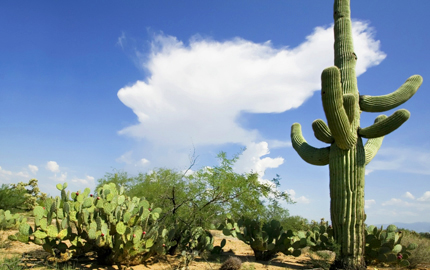
Animal and plant collectors are also a huge threat
to the desert. Some people collect rare species of plants to sell, plant, keep
and trade. Rare plants are very valuable and can be worth over $100. People do
the same things with animals too. For example Chuckwalla lizards from northern
Mexico and the southern USA have been a common target to sell has pets. This
has drastically reduced their numbers. Rare plant species are being stolen to be sold for large profits
Hunting
Hunting is minor, but is still causing damage.
Species of fauna are being excessively hunted. For example many species of
gazelles in the Arabian and North African Deserts have been over hunted and are
now endangered. Today laws have been put in place to protect flora and fauna.
Illegal trade is still occurring, but not as much.
 Development
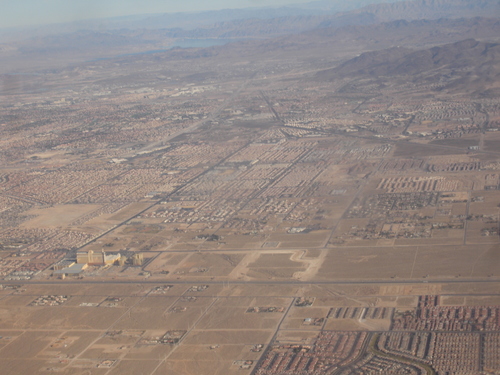
As usual, development is a huge threat to the
desert biome. Prior to the 21st century, few people would consider
inhabiting in a desert, but with today’s advanced technology, life in the
desert has become much easier. Air conditioning and water supplies have
attracted a wide range of people to relocate to the sunny desert. People also move to the desert for their
“health” to avoid suffering from diseases such as allergies to airborne
pollens. Examples of developed deserts are Phoenix, Dubai and Los Angeles. Although
they may seem like normal cities, it is dams and other irrigation tools that
keeps the city thriving. The natural biome has been destroyed for the use of
mankind. Animal’s natural habitats are destroyed during development of the
desert, therefore forcing them to extinction.
For example the pronghorn in the western United States has become
endangered due to development. Phoenix-A desert city
The future for deserts is uncertain, but we need to do our part to protect it as best as we can. The sooner people start using the desert in a sustainable way, the sooner we can avoid causing serious, permanent damage. A few ways in which we can protect the desert are passing laws, limit the amount of visitors allowed, forbidding plant picking and litter and creating clear standards for respectful and appropriate behaviour.
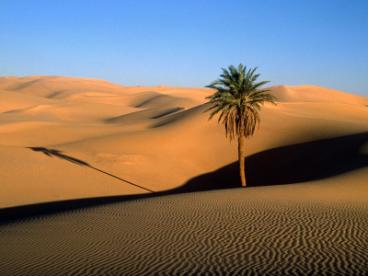
A hot day in the desert
